
Environment
This section shows how Slättö works with environmental factors that impact investment performance, and how we measure progress. The areas cover different value drivers – improving operating performance through energy efficiency, managing risk through climate risk work, and future-proofing the portfolio through reduced carbon emissions and science-based targets.
Energy efficiency
Why it matters
Energy efficient assets have lower operating costs, more resilient rental income, lower risk and potentially tighter yields. This contributes to higher risk-adjusted returns for investors.
Targets and metrics
Energy efficient, green assets as a share of Slättö's portfolios is the key metric for us. We define this based on the green criteria of the EU Taxonomy, the most important standard in EU countries.
What we do
We integrate energy efficiency in our investment process, from due diligence at transaction where we look at the potential to bring the assets to modern standard, to asset management where we implement profitable energy upgrades.
2025 performance
Taxonomy alignment:
- 49% across Slättö's portfolio in 2025. An increase of 15% from 2024.
Energy efficient assets:
- 63% across Slättö's portfolio in 2025.
- These assets are in line with the energy criteria of the EU Taxonomy - top 30% in the country’s building stock.
Slättö’s assets under management increase over time. As a consequence, the share of taxonomy-aligned assets in our funds may temporarily decrease in percentage terms from year to year, while we drive improvements.
Renewable energy
Why it matters
Renewable energy production in buildings lowers operating costs. It also makes the income from the assets more resilient to energy price increases, as well as reducing emissions.
Targets and metrics
Our key metrics are the share of project developments and cash flow assets with on-site renewable energy, and the share of assets purchasing renewable energy.
What we do
Slättö works with renewable energy in two main ways: we install on-site renewables in developments and we roll out renewable energy solutions in existing assets. The main examples are converting assets from district heating to on-site geothermal, and installing rooftop solar panels.
2025 performance
Project development:
- Of the projects completed in 2025, 43% of assets by area are equipped with solar panels or geothermal heating, compared to 73% in 2024.
- The decrease is due to project-specific conditions, for example not all municipalities allow geothermal.
Cashflow assets:
- 100% of cash flow assets in Slättö's portfolio purchased renewable energy.
- 35% had on-site renewable energy production.
Renewable energy:
- Reached a total installed solar capacity of 6 671 kW, a 4x increase from 2022.
Physical climate risks
Why it matters
A warmer climate will increase flooding, fires, and extreme temperatures, which can damage real estate assets. Proactive measures can reduce future costs.
Targets and metrics
Our key portfolio metric is share of assets where physical climate risks are managed in line with the EU Taxonomy.
What we do
We apply a step-by-step process together with a large engineering consultancy, to assess each asset’s exposure, vulnerability and materiality against the climate-related hazards listed in the EU Taxonomy, define relevant adaptation measures, and integrate these actions into the asset plans for implementation.
2025 performance
In 2025, 49% of assets in Slättö’s portfolio across funds were Taxonomy aligned. Earlier years, this share was 34% and 55% in 2024 and 2023 respectively. The lower 2024 share compared to 2023 reflected acquisitions of standing assets. We will continue to increase this share.
Carbon in construction
Why it matters
While regulators are setting mandatory carbon limits, the Nordic real estate market has already adopted voluntary ones. By reducing embodied carbon, our developments are regulation ready and more attractive, thus future-proofing our investors' portfolio and helping them decarbonise real estate.
Targets and metrics
Slättö has science-based climate targets to ensure we future proof our portfolios. The most widely used global standard, Science Based Targets initiative (SBTi), has approved our targets. The key metric is CO2 per sqm in construction projects.
What we do
We reduce embodied carbon from construction, by setting requirements in tenders and contracts with general contractors. Greener materials, for example lower-carbon concrete and recycled steel, are used in our projects.
2025 performance
Across our development portfolio, we continued to implement lower embodied carbon solutions – demonstrating that emission reductions can be achieved without compromising financial returns.
Case studies

A large, 655-unit Stockholm residential project, where we are set to achieve 25% lower embodied carbon compared to Slättö's baseline from 2023.

A large, 40,000 sqm modern logistics facility with 30% lower embodied carbon compared to Slättö's baseline from 2023.

A hotel project in modular wood construction, meeting the stringent certification NollCO2 for embodied carbon.
Biodiversity
Why it matters
Green and biodiverse spaces make assets and neighbourhoods more attractive to tenants and help meet municipalities’ requirements. Protecting and enhancing biodiversity is also part of reducing environmental impacts.
Targets and metrics
Our main biodiversity target is to implement biodiversity action plans in all larger development projects.
What we do
Slättö's biodiversity measures in large development projects focus on local species, habitat conditions and water systems. We have also installed bee hives on rooftops of our logistics and light industrial assets to improve pollination. A part of Slättö’s residential portfolio has green roofs, which lead to temperature regulation and stormwater management.
2025 performance
We have continued to integrate biodiversity into our investment process, with biodiversity measures in large development projects.
Case studies

Green courtyards providing shade, cooling and improved microclimates; stormwater management through planting beds and ponds; and connection to nearby woodland.

We worked with the tenant Stadium to protect a local population of protected salamanders, by constructing ditches and ponds.

We adapt the construction to preserve habitats for the spruce bark beetles, identified as a key species in the area.
Environmental certification
Why it matters
A strong environmental certification is a core requirement in Slättö’s project development. It is part of the business plan for development projects, in order to capture a prime-standard premium at exit.
Targets and metrics
We target a strong environmental certification in all development projects.
What we do
The certification depends on asset type. For logistics and light industrial developments, Slättö uses BREEAM Excellent or Sweden Green Building Council’s Miljöbyggnad Silver. For residential projects, we target Miljöbyggnad Silver. In-use certification for cash flow assets is used selectively, where relevant.
2025 performance
In 2025, certifications covered 100% of projects, unchanged from 2023 and 2024. Certified cash flow assets accounted for around 29%.
Case studies
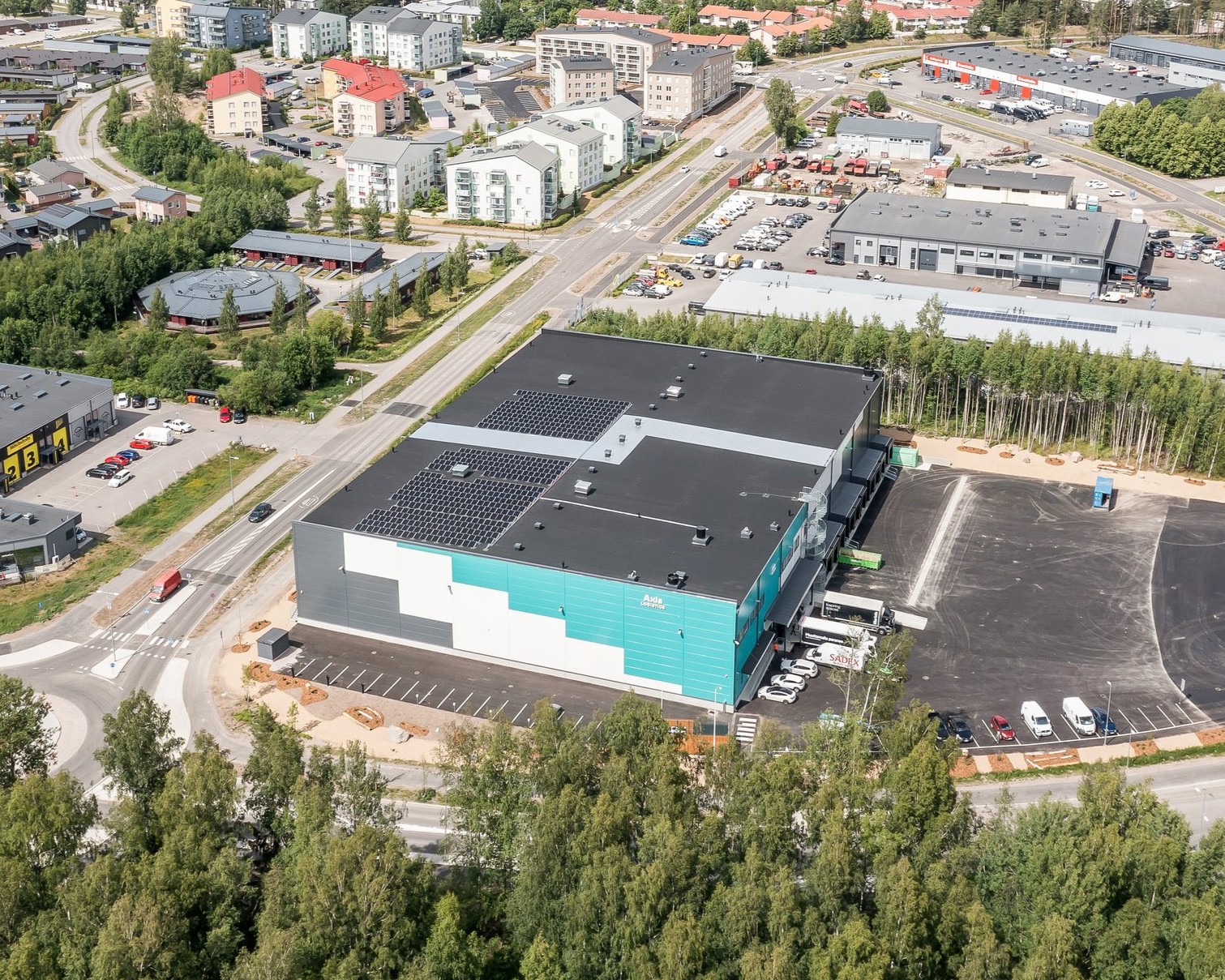
A Slättö logistics property in Finland holds the highest global environmental certification, BREEAM Outstanding.
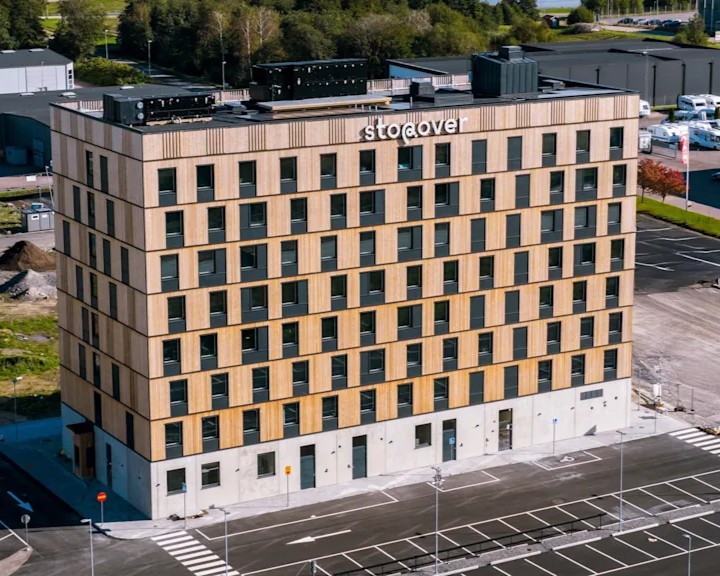
The Stopover Falkenberg hotel holds the Miljöbyggnad Silver certification and targets the NollCO₂ standard.
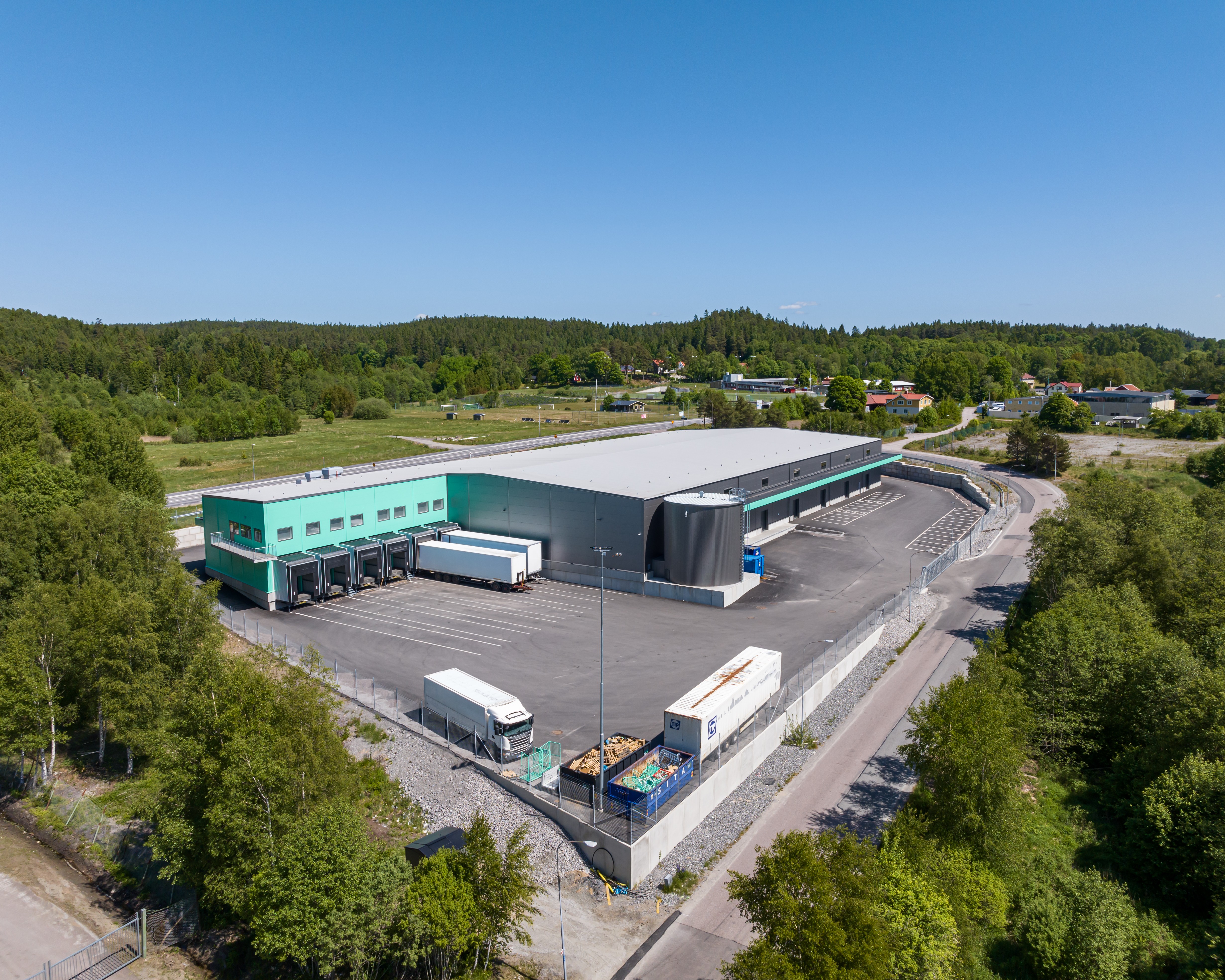
A significant share of our commercial portfolio is in-used certified under Miljöbyggnad iDrift.
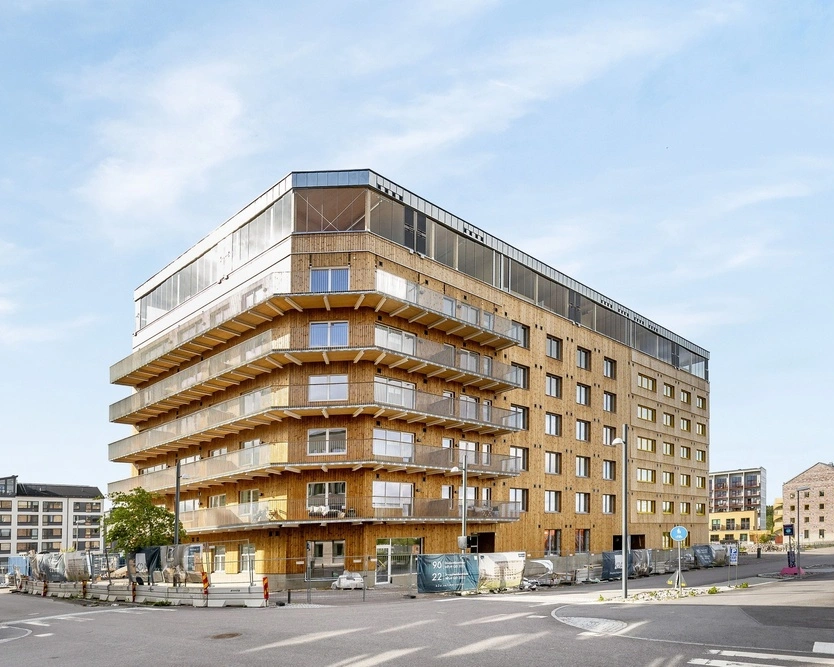
We also use the Nordic Swan Ecolabel in selected residential properties, as an alternative to Miljöbyggnad Silver.